
| Key Pointers |
|---|
| • A California seller's permit is completely free to obtain |
| • Apply online through the CDTFA online services portal at cdtfa.ca.gov |
| • Most applicants receive their permit immediately after submission |
| • California's economic Nexus threshold for remote sellers is $500,000 annually |
| • A security deposit may be required for some business types |
| • Keep your permit displayed at your place of business at all times |
| • Galvix handles seller's permit registration and all ongoing compliance for you |
A California seller's permit is the legal authorization that allows your business to collect sales tax from customers on taxable sales. It is issued by the California Department of Tax and Fee Administration (CDTFA) and is required before you make your first taxable sale in the state of California. Operating without one while collecting California sales tax exposes your business to significant penalties under state law.
The good news is that the application is free, available entirely through the online services portal. Most applicants receive their permit immediately after submitting a complete application. The CDTFA's online registration tool saves your progress at each step, so you can pause and return if you need to gather additional information before completing the form.
This California sales tax registration guide answers your question, ‘How do I get a seller's permit in California?’ It also discusses key aspects, such as who needs one, what information you need to prepare, and how to complete the registration process. We will also cover how Galvix streamlines your ongoing California compliance processes.

Who Needs a California Seller's Permit?
Businesses asking ‘How do I get a seller's permit in California?’ should first determine whether their activities create a sales tax registration obligation under CDTFA rules. Both retailers and wholesalers are required to hold a permit even when no tax is charged directly.
Businesses That Must Obtain a California Seller's Permit
- Retailers selling tangible goods to California customers through a physical store, online channel, or direct sale must register before the first taxable transaction.
- Wholesalers selling goods to other businesses for resale must hold a permit even though sales of tangible personal property to resellers are often tax-exempt under a valid resale certificate.
- Out-of-state sellers with physical presence in California through employees, inventory, or a business address must register immediately. Physical Nexus creates an obligation from the first day of presence.
- Temporary sellers, including vendors at holiday fairs, Christmas tree sales, and garage sales, operating at a location for 90 days or fewer. They must apply for a temporary seller's permit before selling.
Out-of-State Sellers and Economic Nexus in California
- California's economic Nexus threshold is $500,000 in annual gross receipts from sales of tangible personal property or taxable goods into the state for remote sellers.
- Out-of-state sellers who cross this Nexus threshold must complete California sales tax permit registration and begin collecting California sales tax from customers in the state.
- Marketplace facilitators that collect and remit sales tax on your behalf may satisfy your collection obligation separately. You may still need a permit depending on your business activity structure.
Who Must Register for California Seller’s Permit Requirements
| Business Type | Seller’s Permit Required? | Key Requirement |
|---|---|---|
| Retailers | Yes | Required before the first taxable sale in California |
| Wholesalers | Yes | Must hold a permit even for resale transactions |
| Out-of-State Sellers | Yes | Registration is required upon establishing a physical Nexus |
| Temporary Sellers | Yes | Temporary permit required before short-term sales events |
| Remote Sellers | Yes, if the threshold is met | Must register after exceeding $500,000 annual sales threshold |
| Marketplace Sellers | Sometimes | Permit requirements depend on business structure and activities |
Caption: California businesses requiring seller’s permit registration under CDTFA
What Information Do You Need Before Applying for a Seller’s Permit in California?
Understanding ‘How do I get a seller's permit in California’ becomes much easier when all required business and ownership documents are prepared in advance. It helps avoid incomplete applications that require restarting the registration process.
Business Information Required
Your core business activity and entity details form the foundation of the California seller's permit application and must be accurate before submission.
- Business name and type: You must provide the legal business name, any DBA names, business address, entity type, including sole proprietorship, limited liability company, or corporation. You also need to furnish details on the state or country of formation.
- Business details: You must submit your business address and estimated monthly California sales tax liability. The application also required that the date your first California taxable sales transaction is expected to occur must be confirmed before submission.
- Business identification: A Federal Employer Identification Number (FEIN) or Social Security Number for the primary applicant is required for the application. These details are crucial for verifying identity and linking the permit to your federal tax records.
- Banking details: Bank account details for electronic payment enrollment and complete information for any business operations partners or co-owners must also be included in the application.
Owner and Officer Information Required
Every individual with ownership authority or signing responsibility over the business must be identified in the California seller's permit application.
- A driver's license number or state ID is the primary identification accepted. A US passport, military ID, or visa is an acceptable alternative for applicants without a domestic license.
- Social Security Numbers and date of birth details are required for all partners, limited liability company managers, members, and officers listed as having authority over the business.
- Corporate officers are generally excluded from the personal SSN requirement under CDTFA rules, and other acceptable identification documents may be substituted with confirmation from the customer service center.
How Do I Get a Seller's Permit in California?
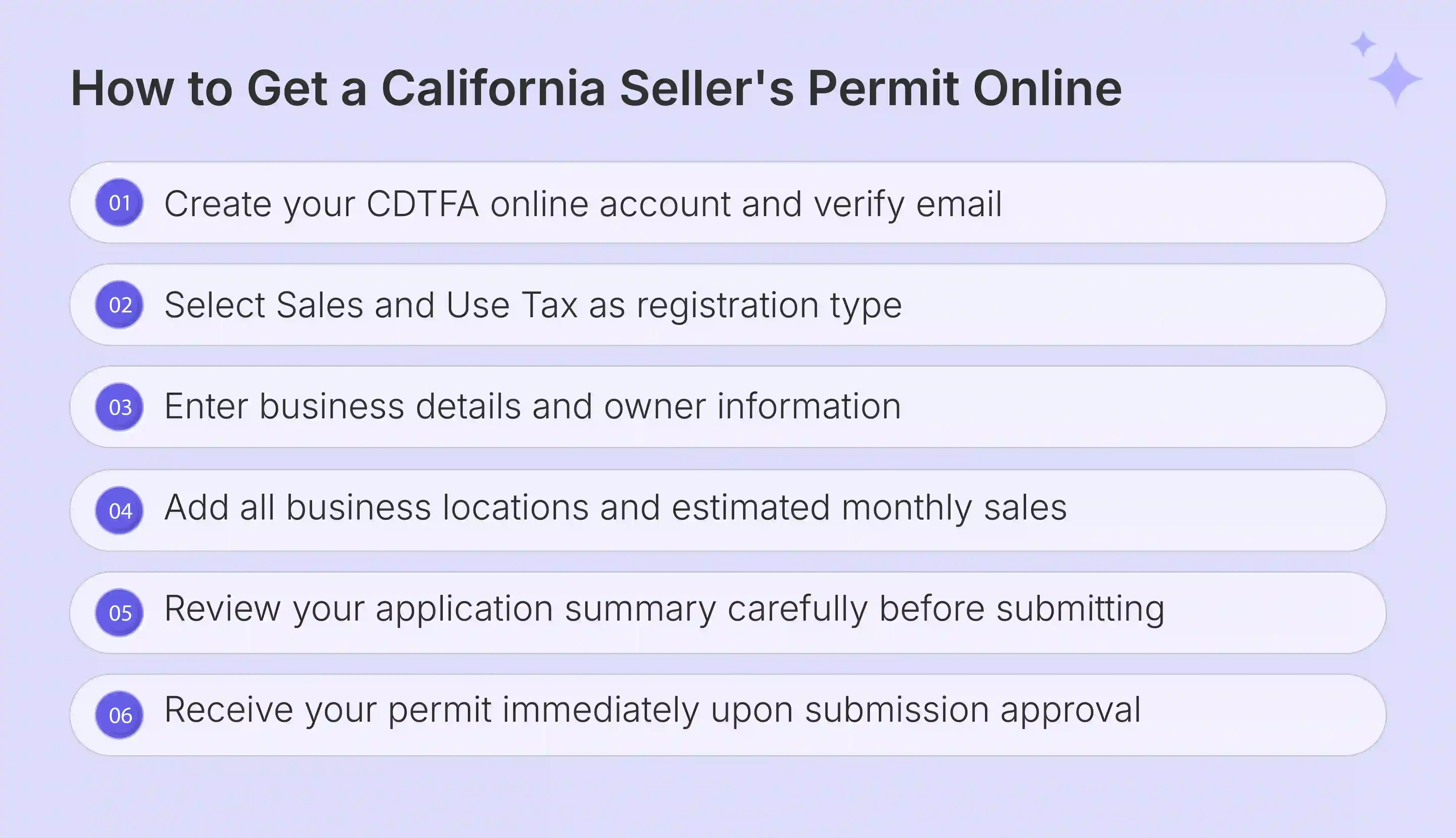
The process for how to register for sales tax in California begins at the CDTFA online services portal. The application uses the online registration tool to guide you through a series of sections covering your business identity, location, ownership structure, and estimated revenue.
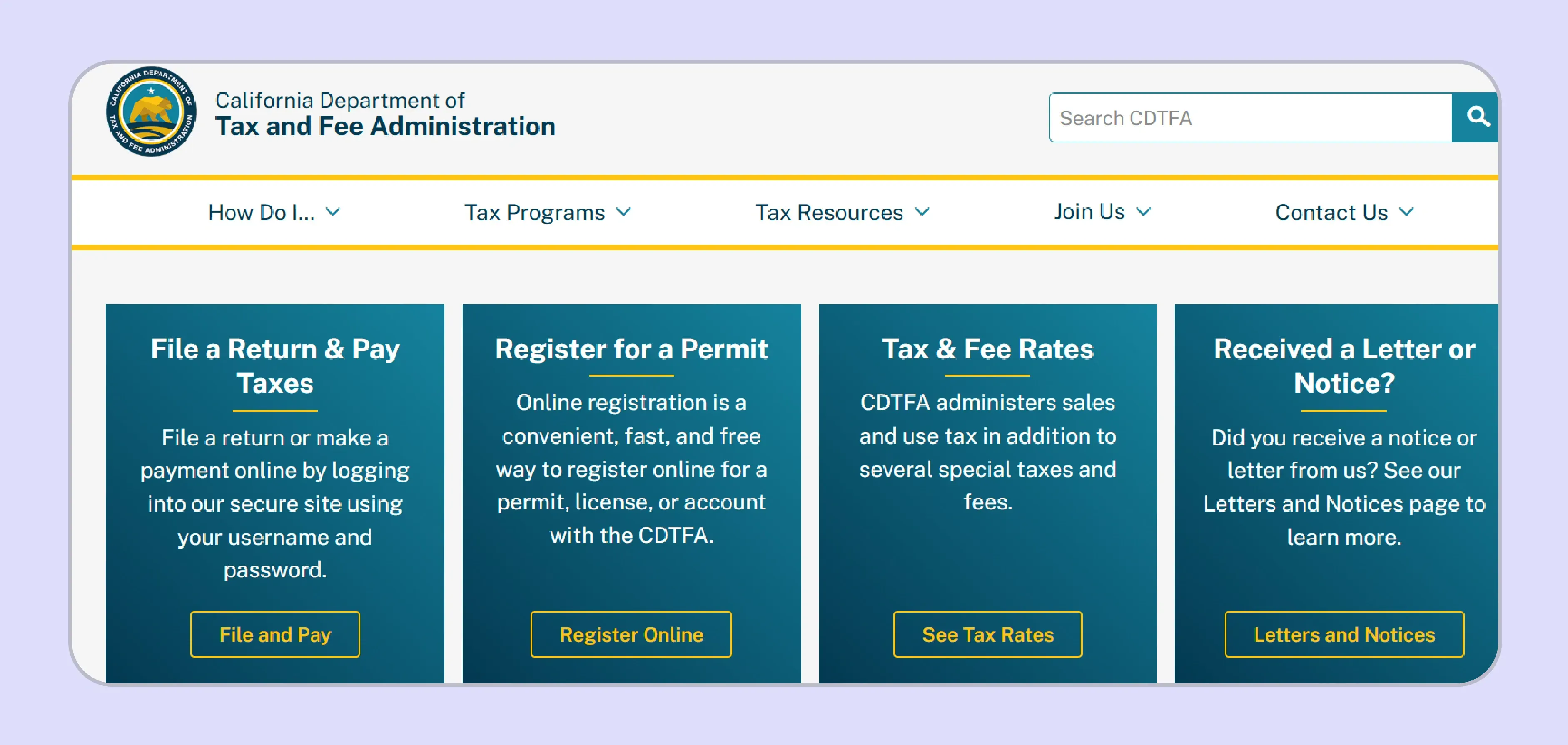
Step One: Creating Your CDTFA Online Account
Businesses researching ‘How do I get a seller's permit in California’ must first create a secure CDTFA online services account before beginning the registration process.
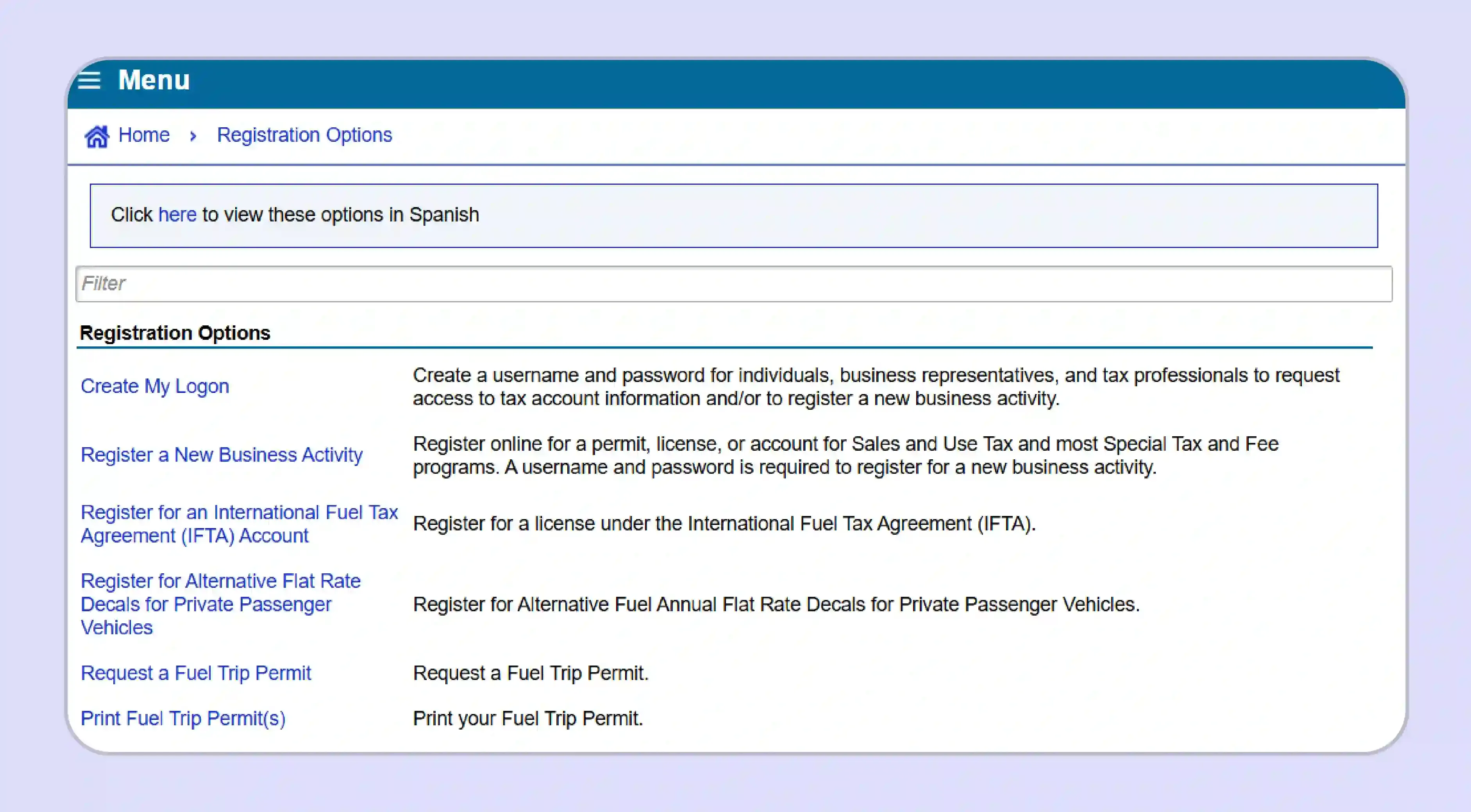
- Navigate to cdtfa.ca.gov and select "Register Online" under the permits and licenses section to open the CDTFA online services portal account creation screen.
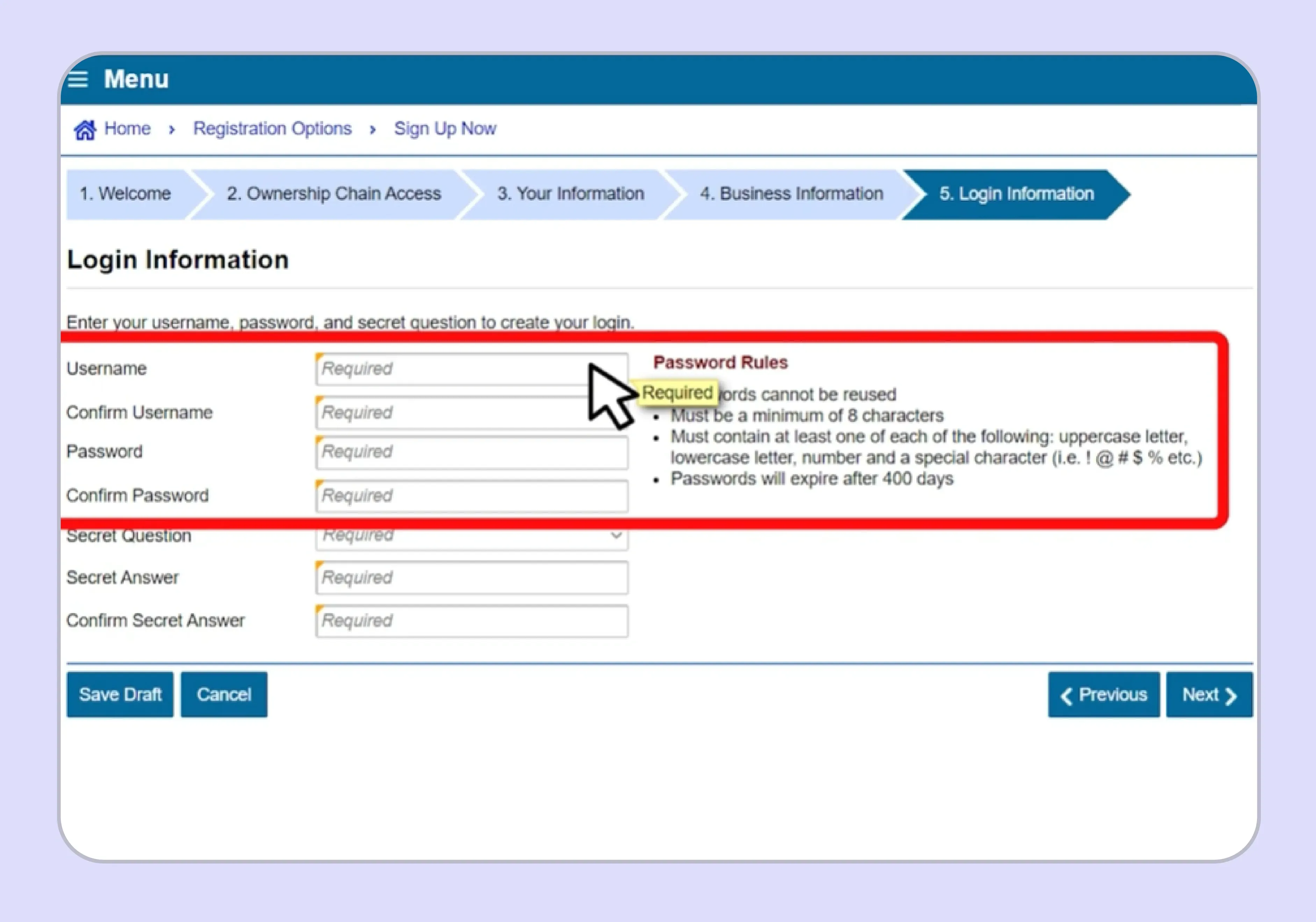
- Create a unique CDTFA username and password. You will use them for all future sales tax return submissions, reporting period filings, and correspondence with the California Department of Tax and Fee Administration.
- Verify your email address immediately after account creation, as the confirmation link is required before the system grants access to any new business activity registration form.
Step Two: Completing the Business Registration Form
After the registration, you must complete the business registration form with accurate details:
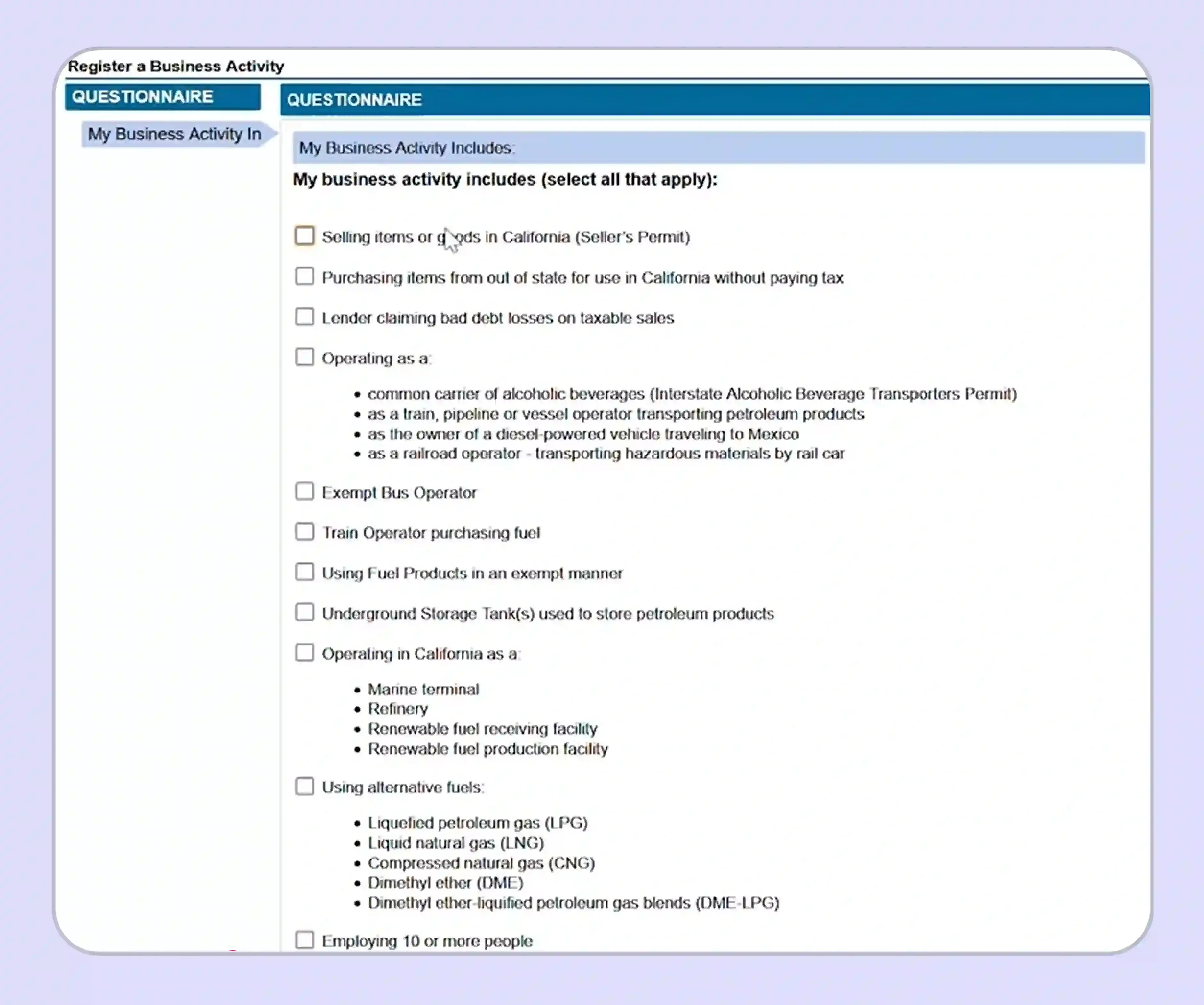
- Select "Sales and Use Tax" as your registration type to confirm you are applying for a standard California seller's permit rather than a use tax account or specialty permit.
- Indicate clearly whether your business is a new business activity starting from scratch or an acquisition of an existing California business from a prior owner.
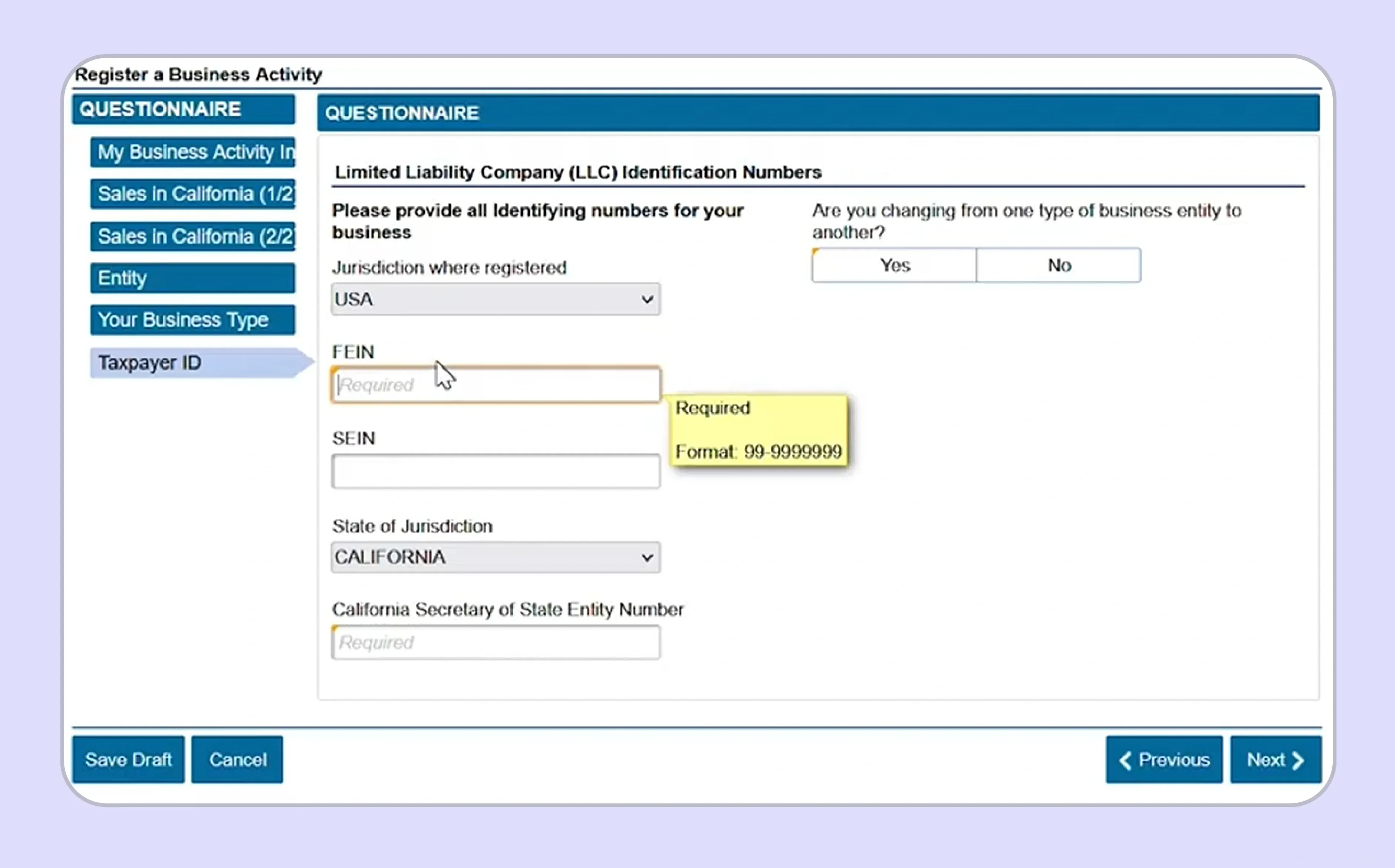
If purchasing an existing small business, request a tax clearance from the CDTFA at least 60 days before the purchase date. This is crucial to avoid inheriting any unpaid taxes from the prior owner's account.
Step Three: Adding Partners, Officers, and Business Location Details
This is another important step where you must provide all details related to the partners, officers and business location.
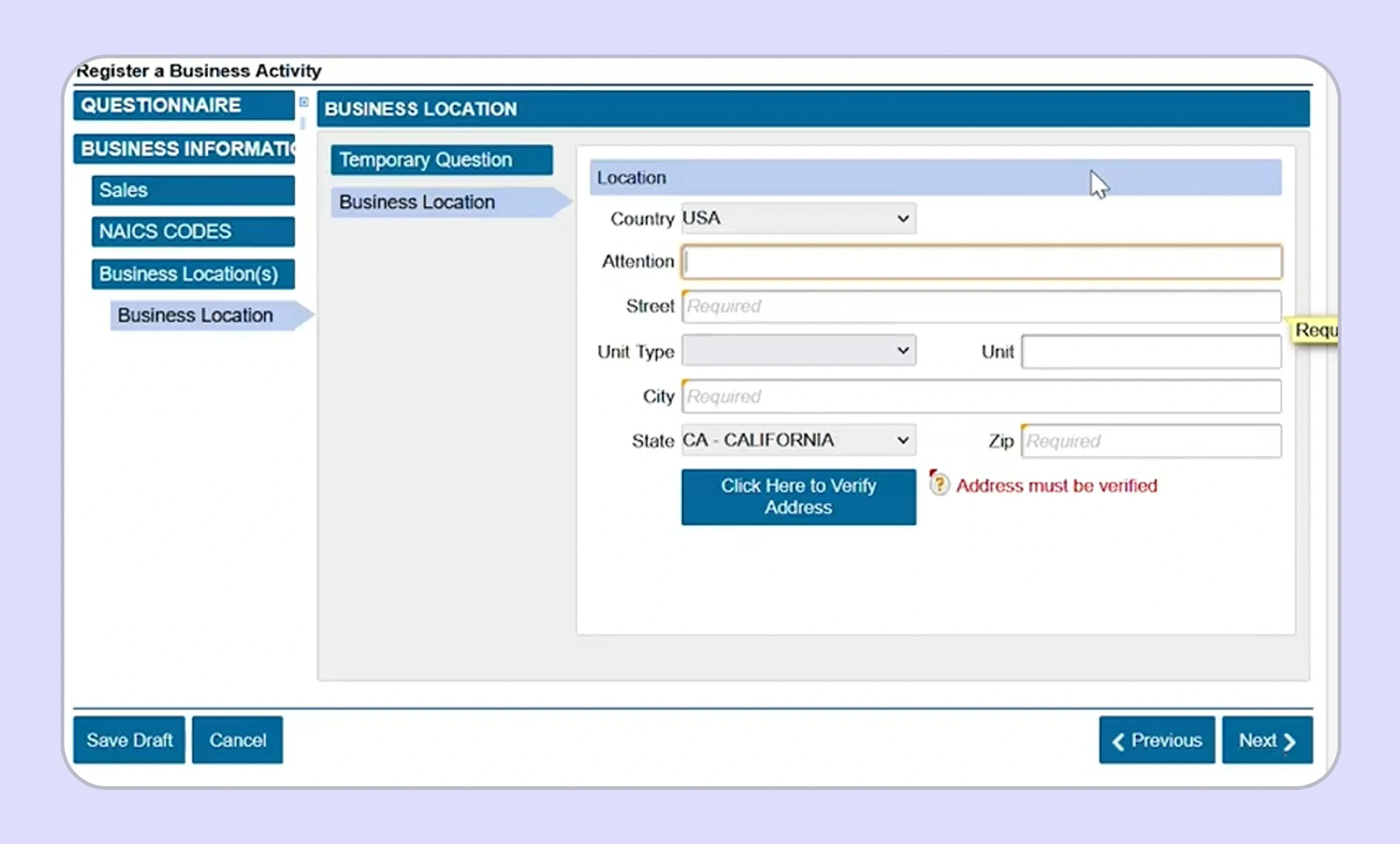
- Enter all business operations locations in California. Multiple locations may require separate permits unless the CDTFA approves a consolidated permit for the entire operation.
- Provide complete identity details for each business partner, corporate officers, limited liability company managers, or members as required. Use only the accepted identification forms specified by the department.
- Enter your estimated monthly California taxable sales and the total of all receipts. This will help the CDTFA assign the correct filing frequency and confirm whether a security deposit applies to your account.
Step Four: Submitting and Receiving Your Permit
This is the final step in the process for obtaining a seller’s permit in California:
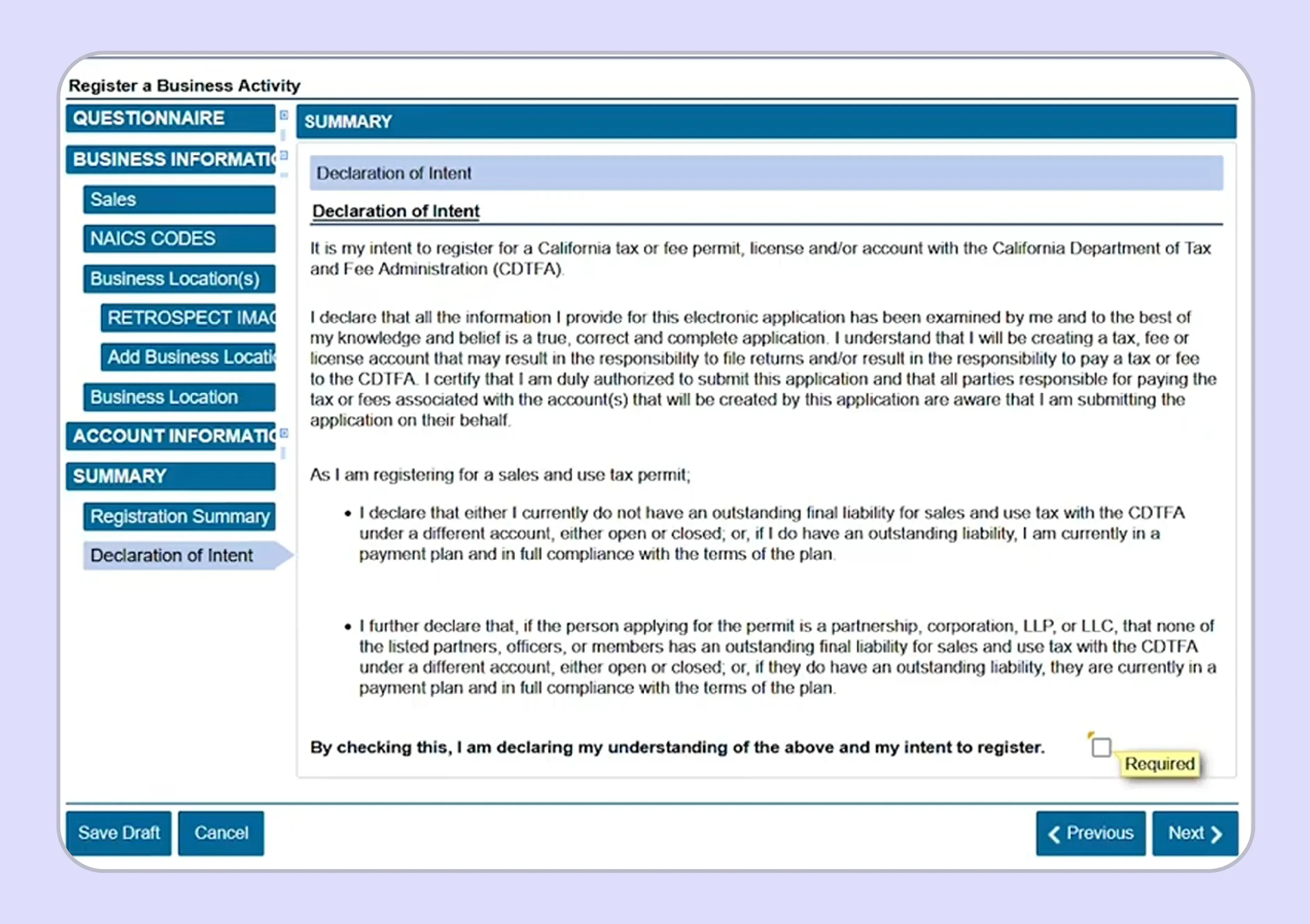
- Review all entered information on the summary screen. Confirm that your business address, North American Industry Classification System (NAICS) code, and ownership details are complete and accurate.
- Most applicants receive their California seller's permit immediately upon submission of a complete application through the CDTFA online services portal.
- Print and display your permit at your place of business. The permit remains valid for as long as your state business operations continue and no annual renewal fee is charged.
How Much Does a Seller's Permit Cost in California?
A California seller's permit carries no application fee. The CDTFA may require a security deposit at the time of registration for some business types to cover potential unpaid taxes if the operations are later closed. The deposit amount is determined during the application review based on your estimated monthly taxable sales volume.
If a security deposit is required, it is returned to the business once a qualifying period of on-time filing and payment has been completed. For most small business applicants operating below higher revenue thresholds, the CDTFA does not require a deposit, and the California sales tax permit is issued at no cost.
What Happens After You Receive Your California Seller's Permit?
Receiving your California seller's permit activates your obligation to collect California sales tax on every eligible transaction. The CDTFA assigns a reporting period and filing frequency to your account based on your estimated monthly liability. This determines when your first sales tax return is due.
California Sales Tax Rates and Filing Obligations
California applies a statewide base sales tax rate, along with local district taxes that vary by buyer location. This makes destination-based rate accuracy essential for every transaction.
| Rate Component | Rate | Applies To |
|---|---|---|
| Statewide Base Rate | 7.25% | All sales of tangible personal property in California |
| Local District Taxes | Up to 4.0% | Added based on buyer's city and county location |
| Combined Maximum Rate | 11.25% | High-tax cities including select locations in California |
Here are some key facts you must note:
- California sales tax rate applied is determined by the buyer's delivery address, not your business address or warehouse location.
- Sales tax return filings are due on the last day of the month following each reporting period.
- Late submission triggers penalties and interest assessed by the CDTFA.
- A 2.5% collection allowance on the first $1,200 of California sales tax due per return is available for businesses that file and pay on time each reporting period.
Filing Frequency Assigned by CDTFA
The CDTFA assigns your initial filing frequency at registration based on the estimated monthly California sales tax liability. This schedule governs when your returns and payments are due throughout the calendar year.
| Filing Frequency | Monthly Tax Liability | Who It Applies To |
|---|---|---|
| Monthly | $17,000 or more | High-volume California seller businesses |
| Quarterly | $100 to $17,000 | Mid-volume small business operations |
| Annual | Under $100 | Low-volume sellers with minimal taxable sales |
- Monthly filing assignments are reviewed by the CDTFA periodically. A small business that grows significantly may be reassigned to a shorter reporting period as gross receipts increase.
- Filing frequency can also be confirmed by contacting the CDTFA customer service center directly or visiting one of the CDTFA field offices.
- The use tax rate and use tax due on taxable purchases where no California sales tax was collected must also be reported on the same sales tax return.

What to Do Once Your California Business Grows Into Multiple States?
For many ecommerce businesses researching ‘How do I get a seller's permit in California’, registration is only the beginning of a broader set of multi-state compliance responsibilities. Many California-based ecommerce and SaaS businesses that cross the $500,000 threshold have already reached, or are approaching, Nexus thresholds in other states. This creates a growing multi-state registration process and filing workload that compounds with every new market entered.
Galvix handles California seller's permit registration for a flat fee and takes over the full compliance function after the permit is issued. Your team does not need to monitor thresholds or file sales tax return submissions across multiple states to resolve state notices independently. Instead, a named Galvix compliance specialist owns every step of the process on your behalf.
Here is what Galvix manages after your sales tax permit registration in California is complete:
- Nexus Monitoring Across All 50 States: Our sales tax software monitors your economic Nexus exposure across every state with proactive alerts at 75%, 85%, and 95% of each threshold. So, your team is never caught off-guard by a new obligation that has already triggered without notice.
- Done-for-You State Registrations: When your business operations cross a threshold in any new state, Galvix handles the entire registration process for a flat per-state fee. This includes all portal work, credential management, and follow-up correspondence with state revenue departments.
- Expert-Prepared Returns Filed on Your Behalf: Every sales tax return is independently reconciled against your billing data by a named compliance specialist before submission. You receive a one-click approval notification each month and Galvix files across every state on the scheduled due date.
- Full State Correspondence Management: All CDTFA and state revenue correspondence, including notices, audit inquiries, and rate change communications, is managed directly by the Galvix team. Your finance function receives dashboard updates rather than state letters, which require internal drafting and resolution.
For businesses already expanding beyond California, Galvix serves as a dedicated compliance team with a named account manager who has full context on your business activity, business address, and filing history from day one. Schedule a personalized Galvix demo and see what fully managed sales tax registration in California and beyond looks like for your business.
Frequently Asked Questions
How to Register for Sales Tax in California?
How to register for sales tax in California starts at cdtfa.ca.gov, where you create an account through the online services portal and complete the new business activity registration form for Sales and Use Tax. The registration process is free and most applicants receive their California seller's permit instantly upon submitting a complete application. Galvix manages the full process for a flat fee covering all portal work, submission, and follow-up.
How to Register for a Sales Tax Permit in California?
Sales tax permit registration in California is completed entirely online through the CDTFA online registration tool without requiring in-person visits to field offices for most applicants. You will need your business address, entity type, FEIN or Social Security Number, and estimated monthly taxable sales volume to complete the form. Galvix handles the full California sales tax permit registration guide process on your behalf, including all credentialing and account setup after approval.
What Are the Requirements to Get a Seller's Permit in California?
A California seller's permit requires proof of intent to make taxable sales of tangible personal property or creation of tangible personal property in the state of California. You must provide your business name, entity type, business address, FEIN or Social Security Number, and identification for all owners and officers. A security deposit may be required for some business types, determined during the CDTFA's application review process.
Can I Get a Seller's Permit Online in California?
Yes. How do I get a seller's permit in California is answered entirely through the CDTFA online services portal available 24 hours a day at cdtfa.ca.gov. The online registration tool guides you through every section of the application, and most businesses receive their permit immediately upon submitting a complete and accurate form. In-person applications are also accepted at CDTFA field offices for businesses that prefer walk-in registration.